Wallets, super apps, and the race to own digital payments in Brazil

Brazil is rewriting the digital payments playbook.
With digital payments and wallets now woven into everyday life, the country has become one of the most dynamic fintech markets in the world.
What began as a push for financial inclusion has transformed into a full-fledged digital economy, where mobile wallets, super apps, and instant payment rails are redefining how consumers and businesses move money.
For global businesses, fintechs, and digital platforms, connecting to Brazil’s local rails presents both a strategic opportunity and a technical challenge.
Table of contents
Brazil is leading the world in digital payments
Brazil’s transformation didn’t happen by chance. A bold mix of regulatory innovation and user demand has created the perfect environment for real-time financial services to flourish.
At the heart of this shift is PIX, the instant payment system launched by the Central Bank of Brazil in 2020. In just five years, it has become a national phenomenon:
- Over 150 million Brazilians now use PIX, representing more than 40% of all payments nationwide.
- Instant transfers run 24/7, with zero settlement delays and minimal transaction fees.
- Merchants and consumers alike have embraced PIX, driving cash usage to historic lows.
Alongside PIX, mobile wallet use has exploded. Digital-first players like Nubank, Mercado Pago, PicPay, and iFood Pay are setting global benchmarks for usability, speed, and reach.
Brazil’s mobile-first culture and open regulatory approach have created an ecosystem that’s not only inclusive but also highly competitive; a model now being emulated across Latin America’s fintech markets.
For global businesses, this presents an opportunity to scale: a connected, digital-savvy consumer base that transacts instantly and expects the same from international brands.
The rise of wallets and super apps
Wallets in Brazil are no longer single-purpose tools. They’ve evolved into super apps, digital ecosystems that combine payments, savings, credit, shopping, and lifestyle services in one seamless experience.

Let’s look at the frontrunners redefining the market.
- Nubank is one of the world’s largest digital banks, serving over 100 million users across Latin America. With an app that integrates everyday banking, investing, and payments, Nubank is setting new standards for transparency and mobile-first design.
- Mercado Pago, the payments arm of e-commerce giant Mercado Libre, powers P2P transfers, merchant payments, and credit products. It has processed nearly $200 billion in payments throughout the region in 2024, with over 60 million active monthly users.
- PicPay is an e-wallet that serves over 62 million people. Its mix of P2P transfers, digital accounts, and loyalty programs positions it among Brazil’s most influential fintech super apps.
- iFood Pay, from Brazil’s largest food delivery platform, extends far beyond its parent business. By offering wallet services, rewards, and credit, it’s turning daily consumer spend into a closed-loop financial ecosystem, and now serves over 55 million users.
These players are redefining financial access, but also changing how global businesses connect to the market.
Each platform has its own infrastructure, API standards, and compliance requirements. For international companies, this fragmentation makes integration complex, even as demand from Brazilian consumers continues to grow.
The challenges of connecting to Brazil’s payment rails
Brazil’s regulatory framework, led by the Banco Central do Brasil, has played a decisive role in shaping a secure and inclusive digital ecosystem. Rather than slowing innovation, clear rules have provided a foundation for rapid and compliant growth.
However, for international players and businesses making cross-border payments into the country, local participation still comes with hurdles:
- Fragmented infrastructure: Dozens of wallets, each with unique APIs, compliance checks, and settlement models.
- Operational friction: Managing FX conversion, reconciliation, and local onboarding requirements.
- Compliance and data standards: Adherence to the Central Bank’s FX, AML, and data localisation rules is non-negotiable.
These factors make direct integration time-consuming and costly. That’s why trusted, compliant connectivity partners like Thunes play a critical role in opening this market to the world.
How Thunes enables real-time connectivity across Brazil

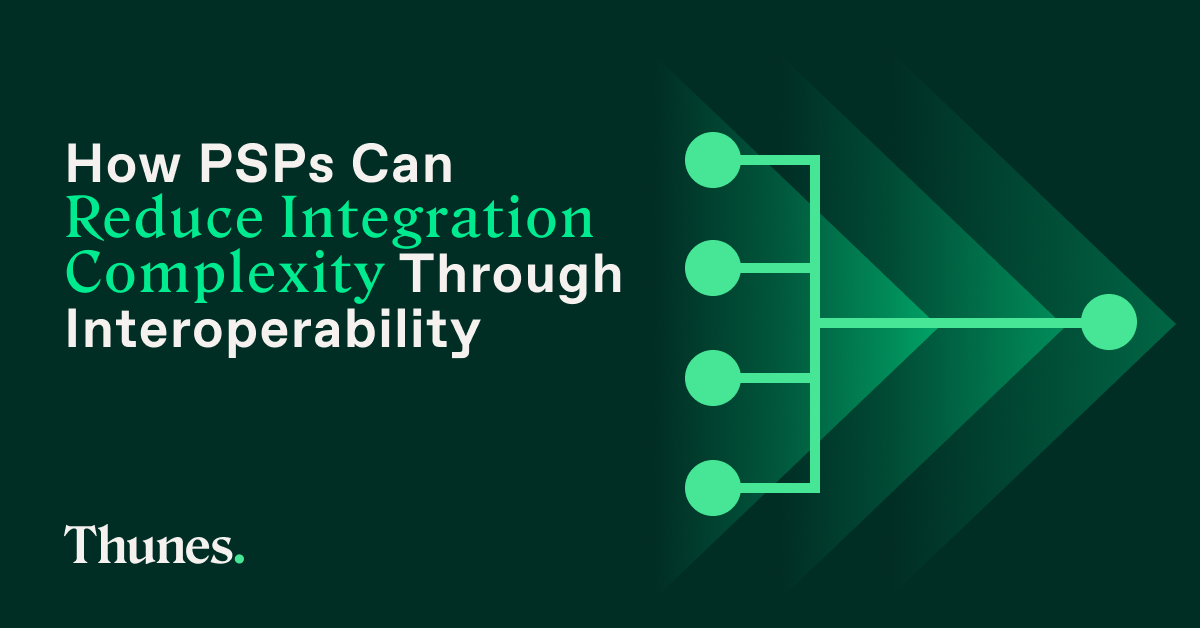
Through our Direct Global Network, Thunes connects fintechs, PSPs, and enterprises directly to Brazil’s local payment rails – PIX, bank accounts, and mobile wallets – all through a single API connection.
Instant payouts and collections
Thunes enables businesses to send and collect funds in real time via PIX rails to bank accounts and Mobile wallets.
A global gig platform, for example, can instantly pay thousands of Brazilian freelancers the moment work is completed, sending funds directly to their bank accounts and/or mobile wallets. This provides for a smoother user experience, expedites settlement, and reduces local disbursement costs.
Transparent FX conversion
Every transaction is converted at real-time, transparent exchange rates, giving businesses full visibility and control over how funds move across currencies.
A cross-border e-commerce merchant collecting payments from Brazilian shoppers can price goods in BRL while settling in USD or EUR without hidden spreads or delays. This ensures clarity for finance teams and consistency in reconciliation, while customers can confidently pay in their local currency.
Regulatory confidence
With Thunes’ Fortress Compliance Platform, every transaction automatically complies with Brazil’s AML, FX, and data protection requirements.
This means global businesses, such as digital banks, can scale into Brazil without having to navigate complex local licensing or regulatory approval processes. Thunes’ platform conducts end-to-end checks, so businesses can operate securely within the Central Bank’s framework and maintain full auditability.
No local setup required
Thunes manages the complexity of local onboarding, licensing, and settlement through its established network of trusted partners in Brazil.
A creator marketplace company expanding from Asia or Europe can access the country’s entire payment ecosystem without creating a local entity or integrating multiple APIs. This reduces operational friction, allowing teams to focus on growth instead of infrastructure.
LATAM’s regional ripple effect
Brazil’s success with PIX is transforming more than its domestic market. It’s setting a blueprint for real-time systems across the Latin America region.
Countries like Colombia (Bre-B) and Mexico (with CoDi) are developing or expanding their own instant payment frameworks, inspired by Brazil’s model of inclusivity and interoperability.
This momentum is creating a regional network effect, but also introducing new complexity. As super apps and payment providers expand across borders, they need infrastructure that can scale across multiple currencies, regulators, and consumer ecosystems.
Thunes’ Network is built for exactly that. Its multi-rail, multi-market design enables seamless money movement across Latin America, connecting emerging payment systems into a single, unified flow.
How Thunes helps global businesses scale in LATAM
Latin America is entering a new era of interconnected payments, inspired by Brazil’s success with PIX. Thunes is already building the regional bridge, enabling global platforms to expand with speed, compliance, and confidence.
| Challenge | Thunes Capability | Business Outcome |
| Fragmented rails | Single API to banks and wallets | Faster market entry |
| FX and compliance | Fortress Compliance Platform | Regulatory confidence |
| Limited settlement hours | Real-time, 24/7 connectivity | Improved liquidity and cash flow |
| Partner onboarding | Trusted local integrations | Reduced operational friction |
The future of digital payments in Brazil
Brazil is setting the global benchmark for a digital-first financial ecosystem, one that is open, instant, and inclusive.
Over the next few years, wallets and super apps will continue to converge, offering more services, more interoperability, and greater reach across Latin America. For international businesses, the winners will be those able to connect globally and settle instantly, without compromising compliance or trust.
Thunes empowers global platforms to connect seamlessly with Brazil’s wallets, banks, and PIX infrastructure.
With a single API connection, businesses can execute real-time, compliant, and transparent transactions across one of the world’s most dynamic digital economies.
Discover how Thunes powers real-time payouts to digital wallets across Brazil and Latin America.