Supporting creator economy payouts across fragmented payment ecosystems

Creator earnings have become borderless, but the systems used to deliver them are still fragmented.
For gaming companies, UGC platforms and creator marketplaces, this matters beyond the payment itself. How easily creators can access their earnings can influence where they choose to create, how actively they participate and how long they remain on a platform.
As creator communities expand globally, providing the payout methods creators expect becomes part of the wider challenge of attracting creators, retaining their activity and supporting the content that keeps users engaged.
This article looks at how creator payouts are changing and how global payment networks can support both the creator experience and the infrastructure behind it.
Table of contents
A global creator economy creates a global payout challenge
The creator economy is booming. Estimates for the size of the global creator economy in 2026 range from $235 billion to $390 billion (these vary depending on how it’s defined and whether they count direct creator revenue or the broader ecosystem), and more than 200 million people worldwide now create content in some economic capacity.
This community has expanded far beyond influencers and sponsored social posts. Today, creators earn through a wide range of activities:
- User-generated content, including videos, images, reviews and other content produced for brands and platforms
- Gaming and modding, from maps and skins to modifications and virtual experiences
- Streaming and social content, supported by advertising, subscriptions, tips and platform revenue sharing
- Music, art and other digital work, monetised through online platforms, marketplaces and communities
- Combining several sources of income, such as advertising, sponsorships, affiliate commerce, subscriptions, digital goods and direct audience payments.
For the platforms behind these communities, attracting creators is only part of the equation. They also need to give them reasons to keep creating.
This is particularly important for gaming and UGC platforms, where a steady supply of creator-produced content gives other users more reasons to discover, engage and return. Greater creator activity can contribute to user retention and create more opportunities for the platform to monetise that engagement.
Creators can also be active across multiple platforms. Where they choose to concentrate their time and publish their best work can matter as much as whether they have an account in the first place.
Payout experience is one part of that decision that platforms can directly influence.
Creator payout preferences vary between markets
What counts as a useful payout can look very different from one market to another.
For some creators, a bank account is the natural destination. In markets where mobile wallets are widely used for everyday financial activity, receiving earnings directly into a wallet may make more sense. Stablecoin wallets are also emerging as another option for creators comfortable receiving and holding digital assets.
For platforms, supporting that choice means accounting for the conditions that shape how creators get paid in each market:
- Financial access: Bank account and mobile wallet adoption varies significantly between countries, so the most useful payout destination changes with the market.
- Currency needs: Creators may earn from international platforms but need to receive and spend their income in local currency.
- Payment economics: Fees and minimum payout thresholds can have a disproportionate effect on creators receiving smaller or more frequent payments.
- Access to funds: The time it takes for earnings to become available can matter when creator income is irregular or spread across multiple platforms.
These factors make payout choice part of the creator experience. Giving creators access to familiar local payment methods can remove friction at the point where their work becomes usable income, whether that means receiving funds into a bank account, mobile wallet or another preferred destination.
Digital creator economies add another layer
Some creator communities have payment models that extend beyond these more familiar destinations.
Gaming is a good example. UGC creators can develop maps, skins, mods, virtual items and entire experiences, while performers can earn from events held inside virtual worlds and metaverse environments. Depending on the community, creators may receive platform currencies, tokens or other digital assets for their work. That creates another stage in the payment process. Value earned within a game or virtual environment may eventually need to be converted into a form the creator can use outside it, whether that means local currency or another digital asset.
This blurs the line between earning and payment. A creator may earn entirely within a digital environment, yet still need to move that value into the wider financial system to pay bills, make purchases or transfer money elsewhere.
As creator economies develop, payout infrastructure must account for value flowing between digital communities and the financial systems creators use in everyday life.
Stablecoins are adding a new route for creator payouts
Conventional cross-border payouts can pass through several intermediaries before funds reach the creator. A simplified payment chain might look like this:
Creator platform → Payment processor → Correspondent banking/local payment rails → Creator
For international payouts, the process can involve currency conversion and multiple financial institutions before the funds reach the creator’s account.
Stablecoins create a different route:
Creator platform → Stablecoin payment rail → Creator wallet
This model is already appearing across major creator platforms. In December 2025, YouTube introduced an option for eligible US creators to receive earnings in PayPal’s PYUSD. Meta followed in April 2026 by introducing USDC creator payouts through Stripe in Colombia and the Philippines, with plans for wider availability. Rumble has taken another approach, introducing a non-custodial wallet that supports creator tipping in USDT and other digital assets.
These examples point to several potential advantages for creator payouts:
- Always-on transfers: Stablecoin payment rails can operate outside conventional banking hours, which is particularly relevant for global creator communities.
- Fewer intermediaries: Direct wallet payouts can reduce dependence on correspondent banking chains for some cross-border transactions.
- Dollar-denominated value: Creators can receive funds in dollar-pegged digital assets without requiring the platform to deliver dollars into a local bank account.
- Micropayouts: Low-value transfers can become more viable where fixed charges and minimum thresholds make conventional micropayments less practical.
Stablecoins don’t remove the local payment question altogether. A creator who receives USDC, PYUSD or another stablecoin may still need to convert those funds into local currency to spend their earnings. That depends on access to off-ramps and local liquidity, alongside the regulatory requirements of the creator’s market.
But they give platforms another way to match the payout experience to how their creator communities operate. For digital-native creators already comfortable holding and transferring digital assets, stablecoins can provide direct access to dollar-denominated value alongside more established options such as bank accounts and mobile wallets.
Global creator payouts become an infrastructure challenge
Delivering a better creator payout experience still has to make commercial sense for the platform providing it. Behind every payout option a creator sees are the systems, providers and processes required to move the funds.
As a creator platform expands across markets, that can mean:
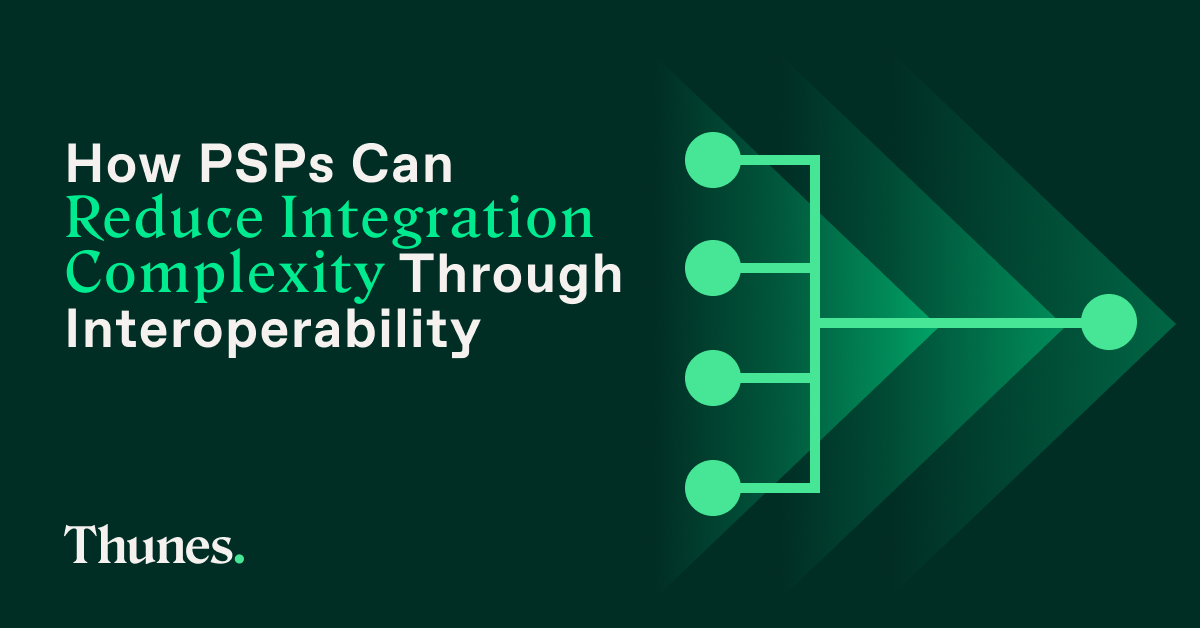
- Managing multiple provider relationships to reach different local payment systems and payout destinations
- Maintaining separate integrations as payment methods and technical requirements vary between markets
- Coordinating FX and liquidity to make payouts across multiple currencies and corridors
- Routing and tracking payments according to the creator’s location and chosen payout method
- Managing reconciliation and exceptions when payments are delayed, rejected or require investigation
- Applying compliance controls across a large and geographically dispersed recipient base
The economics become particularly important at creator-economy volumes. Platforms may need to distribute thousands or millions of individual payments, including micropayments from tips, royalties, affiliate commissions and other small earnings. Fixed transaction costs, intermediary fees and FX can make these payouts expensive relative to their value.
Expanding market by market can leave platforms maintaining a growing number of integrations and operational processes while trying to keep payout costs manageable. The challenge is to provide the payout choice creators value without creating an increasingly fragmented payment operation behind it.
One network for a multi-rail creator economy
For a platform paying hundreds or thousands of creators across 50 or 100+ countries, that distinction matters. Every payout still needs to reach somewhere the creator can access and use, bringing currencies, local payment systems and financial access back into what otherwise looks like a global digital economy
Thunes’ Direct Global Network gives gaming companies, UGC platforms, creator marketplaces and other businesses a single connection to payout capabilities across multiple markets and payment methods.
This can help platforms:
- Expand creator payouts into new markets: Add markets and payment methods without establishing separate connections for each.
- Match local payout preferences: Reach creators via bank accounts, mobile wallets, and supported stablecoin wallets, based on the options available in their markets.
- Support creator acquisition and retention: Reduce payout friction for new and existing creators by making earnings easier to access through familiar payment methods.
- Support smaller and more frequent payouts: Make micropayments more practical for creator earnings such as tips, royalties and other low-value transactions.
- Manage global payment operations: Thunes’ SmartX Treasury System supports FX and liquidity requirements, while Fortress Compliance embeds compliance controls within cross-border payment flows.
For creator-led platforms, the value of better payouts extends beyond the transaction itself. A payout experience that works for creators across markets can support acquisition, continued monetisation and longer creator tenure. For gaming and UGC platforms in particular, retaining active creators can mean a more consistent supply of content and experiences for the users who engage with them.
In this way, global payout infrastructure can contribute to the wider creator lifecycle: helping platforms attract creators, give them a better experience as they monetise their work, and provide another reason to keep producing on the platform.
Contact Thunes to discuss how you can support creator payouts across markets, currencies and payment methods.